Mike Okonkwo: Legacy of a soul winner
By Yemisi Suleiman
The Presiding Bishop of The Redeemed Evangelical Mission,TREM, Bishop Mike Okonkwo, yesterday turned 80 years old. Called into ministry early in life, the charismatic and fearless preacher has spent the last five decades proclaiming the gospel of Christ, winning souls, and leading them to salvation.
Endued with courage, grit, and unwavering devotion to God, this fisher of men has risen from humble beginnings to build one of Nigeria’s most influential ministries, with over 200 branches spread across the nation.
Bishop Okonkwo’s remarkable journey of faith has been marked by consistent giving, selfless service, and undeniable impact—mentoring and discipling countless men and women who revere him as a spiritual father.
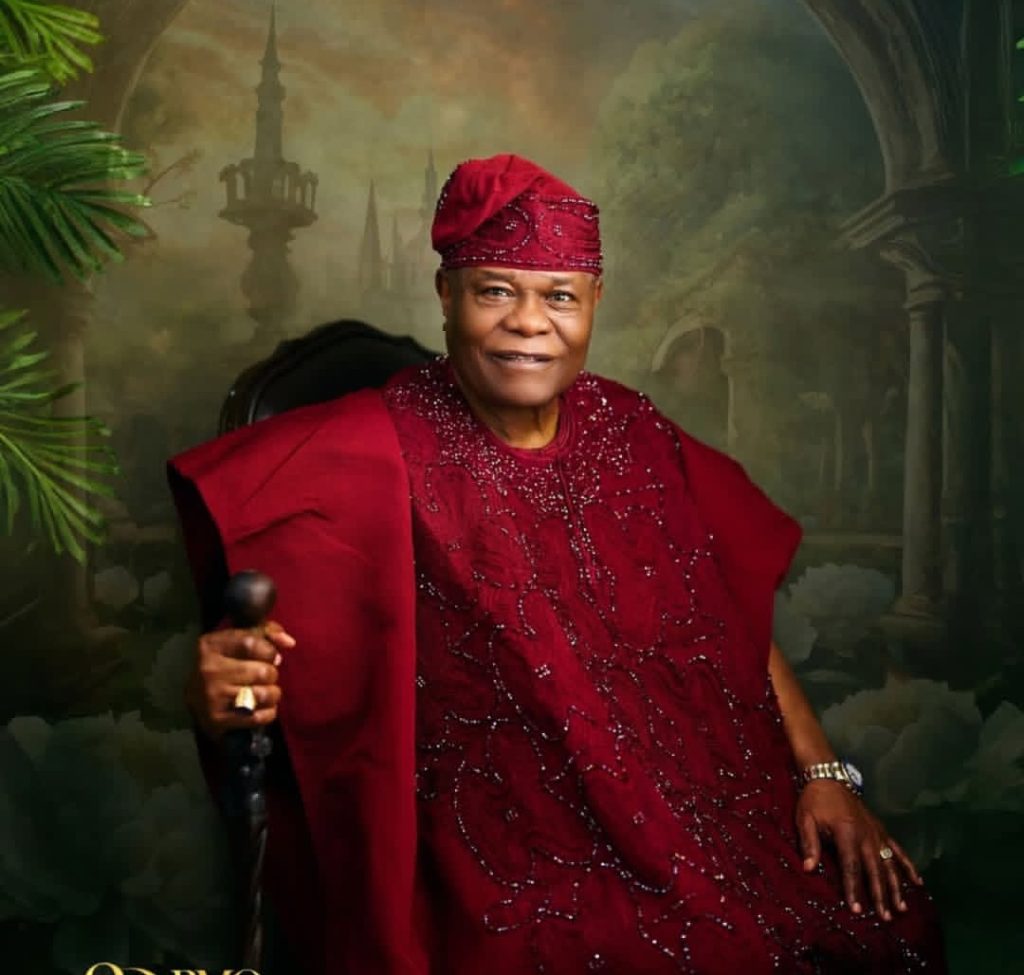
In this exclusive interview with Allure, the revered cleric—whose messages have echoed from the pulpit and across radio and television airwaves—speaks candidly about life at 80, his family, ministry milestones, his charitable works, and his hopes for Nigeria’s future.
Congratulations on turning 80 sir! How does it feel to be 80?
Reaching 80 is a blessing. Growing up, you think it’s far away, but time is brief. I look back and remember moments from childhood like they were yesterday. I am grateful to still be mentally sound, strong, traveling, and preaching. I take care of myself, eat in moderation, and I thank God every day.
Looking back, what reflections come to mind?
It reminds you not to take life for granted. Do what you can now, don’t procrastinate. Life is fragile; every day is a gift.
What was growing up like?
My father was a disciplinarian, and so was my mother. They were also very hardworking and they believed in living within their means. My father worked in postal telecommunications in Lagos. So, I lived most of my life in Lagos. My mother was a trader; she traded in fabrics like Ankara. We would go to Onitsha to buy them and come to sell them at Oyingbo market, in Lagos. I used to assist my mother carry her wares to the market and when she closes from the market, I go back to bring the unsold goods back home.
My father ensured that we went to church every Sunday, joined the choir and things like that, and at a point, when I was in standard 3, he sent me to go live with an uncle of mine who was a lecturer at my school then.
What was it about your upbringing that shaped you into the man you are today?
We were comfortable, but my father never allowed us to stay in the comfort zone. He taught us that life isn’t a bed of roses and instilled strong values of honesty and hard work. As a teenager, I even hawked bread on the streets of Lagos for my mother. Those experiences shaped and grounded me.
Before ministry, what were your aspirations?
I wanted to be a banker. I joined banking and was doing well expecting to build a career there. But when I encountered God, I left for ministry. It meant moving from a secure future to the unknown, but my heart was no longer in banking.
How has your family, especially your wife, supported you in ministry?
She has been with me from the very beginning. When I proposed to her, I was a banker; she didn’t expect to marry a preacher. Many people advised her against it, but she believed in me. She even gave me the money we had saved up together so I could travel to Israel. She kept the home and the ministry while I was away. Importantly, she’s secure, understands the pastoral role, and connects with people. I couldn’t have done it without her.
After 50 years in the Lord’s vineyard, what milestones and values stand out?
Above all, maintaining character and integrity! Ministry comes with pressures, but I decided early that money would never be my motivation. Transparency has been my watchword. Beyond structures and churches we’ve built, the real impact is transformed lives. Everywhere I go, people share testimonies of how their lives changed through this ministry—that, for me, is the greatest milestone.
You recently organised free cataract surgeries as part of your 80th birthday. What inspired this initiative?
The church must minister beyond itself. When we moved here, this area was all bush. Over time, we’ve left marks, roads, boreholes, schools, police station etc. Cataract surgery is a practical need; many lose sight to a treatable condition. We planned surgeries for 500 people so faith could become visible in people’s lives.
What legacy do you hope to leave?
Lives touched and transformed. Buildings don’t speak; people do. If someone can say “my life was changed,” then that’s legacy. Training people to continue the work is what endures.
What life lessons has age taught you about leadership and people?
Expect disappointments; people may hurt you, even after you’ve helped them. Take it in stride and ask for God’s grace. Also, inspect what you delegate—don’t assume. Leadership requires oversight and humility.
What role should Christians play in Nigeria’s political life?
We’ve been slow to engage in politics, thinking it’s a ‘dirty game.’ But politics shapes our environment, so we must get involved. Christians should participate in political parties, elections, and governance, bringing integrity and morality. If we avoid politics, we share in the blame for its failures.
What’s your perspective on tithing controversies? Does not paying tithes invite a curse?
No one is cursed for not paying tithes under Christ. Misinterpretations have caused fear and bondage. Our service to God should come from relationship and gratitude, not coercion. Ministers must also be trained to teach correctly, because today’s generation asks questions and social media amplifies misunderstandings.
When you’re not preaching, how do you relax?
I watch movies, action and comedy, and I enjoy the Discovery Channel. I also take drives to look around the city and travel occasionally.
Any favourite destination?
The United States. There’s something about it that feels different from other countries I’ve visited.
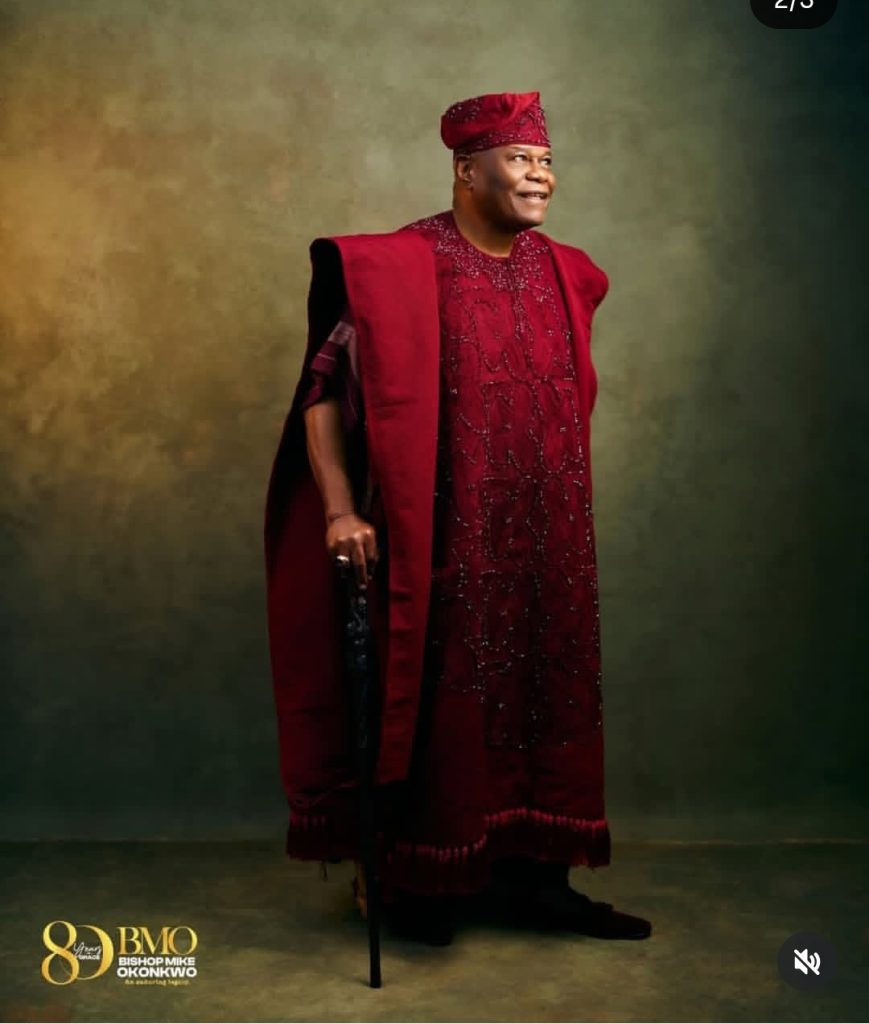
When it comes to fashion, what are you comfortable in?
Anything that looks good—Agbada, senator style, Igbo attire, even a jumpsuit. Nothing is a taboo for me.
If you could change anything about yourself, what would it be?
Honestly, nothing. I’m a simple person, not complicated. I like to just be human and relate with people naturally.
Has the vision you had for TREM been achieved?
The vision is progressing. Much has been achieved, but the work continues.
What message do you have for Nigerians, especially young people?
Keep hope alive. Nigeria has divine purpose and potential. The “Japa” movement is not by chance; Nigerians will make global impact. Youth should stay hopeful, engaged, and committed to building our nation.
And for leaders and politicians?
Our politicians must wake up and take governance seriously. With our resources and talent, Nigeria can be a great nation if leaders prioritise the people over personal gain.
Any regrets in life?
No real regrets. I’ve made mistakes out of ignorance at times, but they are part of life’s learning process. I don’t dwell on regrets.