The Symphony of Expression: A Critical Review of Needle Thread’s “Voice Colour” Collection
In an era where fashion functions as both art and activism, Needlethread Stitches and Style emerges as a brand that refuses to whisper. Founded by Kaosara Olaide Bakare, a visionary creative bridging Nigeria and the United Kingdom, the label’s latest offering — Voice Colour — stands as an exuberant declaration of identity, emotion, and cultural dialogue through chromatic storytelling.
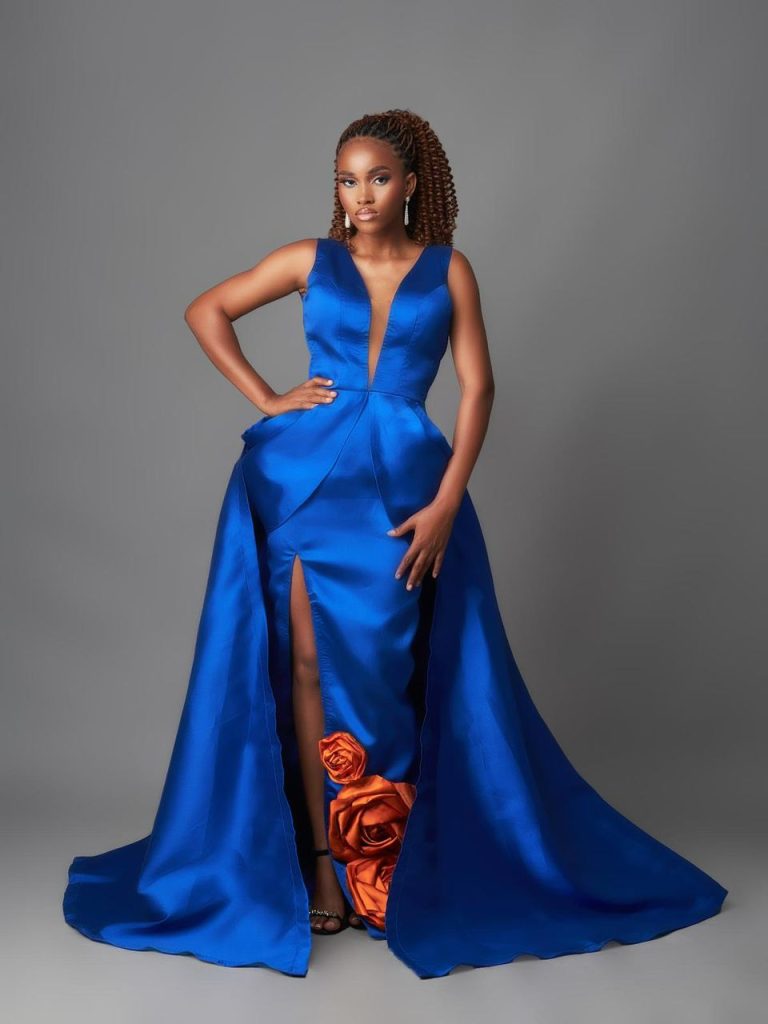
The collection, a fusion of gowns and jumpsuits in a spectrum of captivating hues, presents a visual and emotional exploration of what it means to “speak” through fabric. In evaluating Voice Colour, this review aims to critically examine the brand’s creative direction, aesthetic maturity, craftsmanship, and cultural relevance within the global fashion narrative.
Conceptual Framework
Voice Colour embodies the notion that colour is a language, one that transcends geography and articulates individuality. Bakare’s design philosophy appears to draw from the psychology of chromatic emotion, using bold pigmentations not merely as aesthetic choices but as instruments of expression.
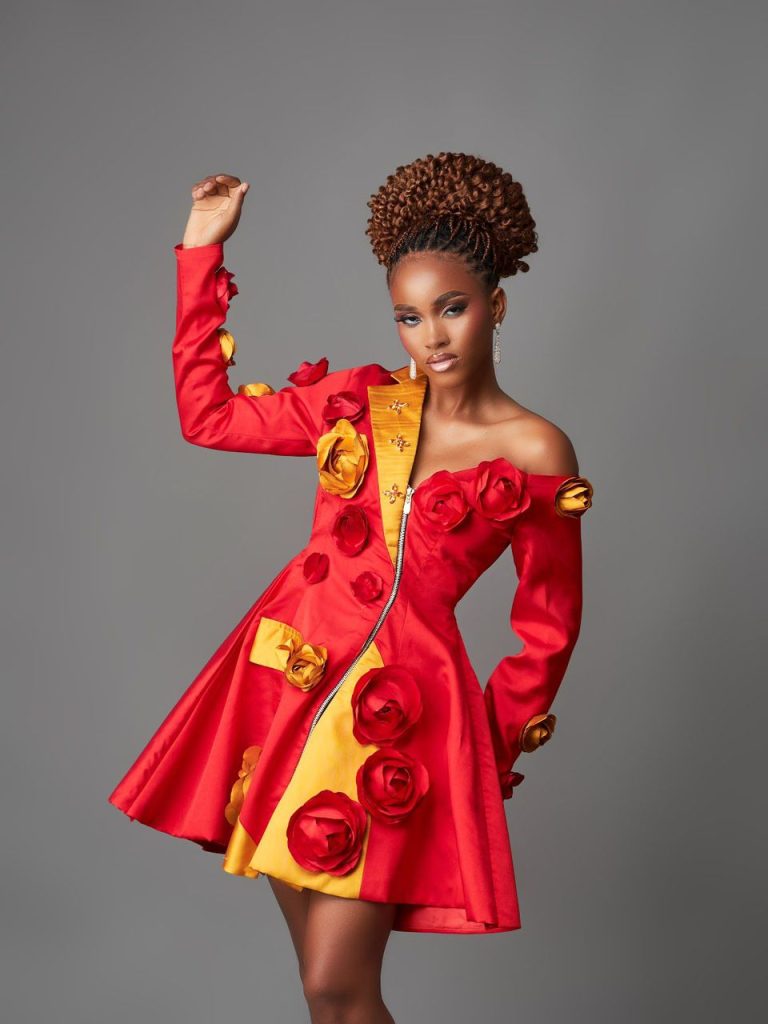
There’s an underlying dialogue between silence and vibrancy, suggesting that the designer views colour as a metaphor for reclaiming agency, particularly relevant to African and diasporic women whose voices have historically been muted in the global fashion conversation.
The collection’s title alone — Voice Colour — signals a conceptual ambition that extends beyond style, positioning the brand within the wider art-fashion continuum that the International Fashion Industry actively supports.
Design and Aesthetic Analysis
The Voice Colour collection reveals a designer deeply attuned to balance and proportion. Each piece, whether a floor-length gown or structured jumpsuit communicates a deliberate harmony between formality and freedom.
The gowns flow with fluid drapery that enhances natural movement, while the jumpsuits offer a counterpoint of empowerment through structure and modern tailoring. The colour palette ranging from coral pinks and electric blues to rich ambers and muted sage underscores the collection’s thematic intent: individuality expressed through hue.
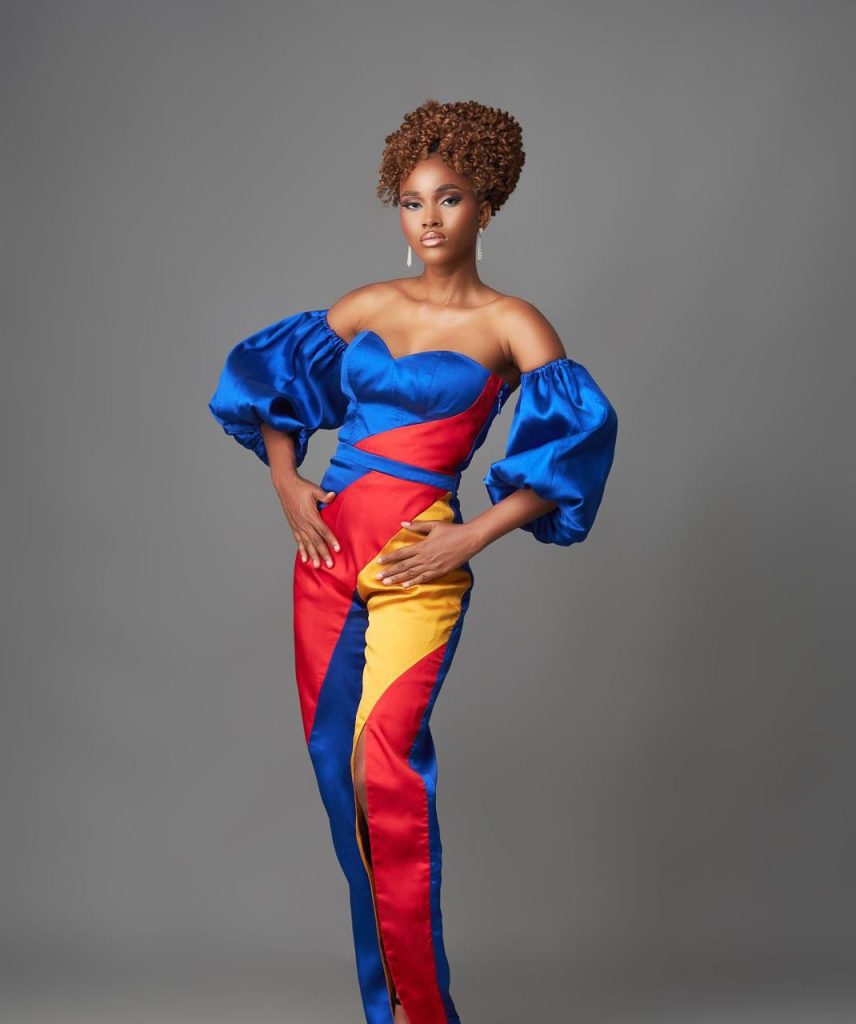
Fabric choice further amplifies this narrative. The designer employs silk satins, tulle, and lightweight crepes, allowing light to play dynamically across surfaces. This tactile manipulation of colour through fabric weight and finish demonstrates technical finesse, a hallmark that aligns with the British Fashion Council’s emphasis on craftsmanship and innovation.
While the collection succeeds in chromatic storytelling, there remains an opportunity for greater material experimentation, particularly through textile technology or sustainable dye practices, an area increasingly central to the UK fashion ecosystem.
Cultural Context and Artistic Relevance
Needle Thread’s Voice Colour arrives at a significant moment in the cultural exchange between African and British fashion economies. Bakare’s dual presence in both regions provides a transnational lens through which the collection speaks merging the vibrancy of Lagos with the restraint and structure of London fashion.
This dual identity enriches the collection’s cultural narrative, positioning Voice Colour as an articulation of diasporic hybridity, a design language fluent in both heritage and modernity.
Moreover, the collection’s visual campaign foregrounds diversity in casting and body representation, reflecting the BFC’s ongoing commitment to inclusivity and representation within fashion media and production.
Through this, Bakare situates Needle Thread not just as a commercial brand, but as a cultural participant in global conversations about identity, representation, and artistic autonomy.
Constructive Critique
While Voice Colour is conceptually resonant and visually striking, future evolutions could focus on deepening material innovation, particularly through locally developed fabrics or cross-disciplinary collaborations with textile artists.
Additionally, the presentation (both runway and editorial) could benefit from expanded narrative cohesion, weaving a stronger through-line from concept to execution, perhaps through sound design, performance art, or digital storytelling formats.
These refinements would not only amplify the emotional resonance of the collection but also position Needle Thread more firmly within BFC’s innovation-led frameworks that bridge design, technology, and culture.
Conclusion
With Voice Colour, Kaosara Olaide Bakare reaffirms her position as a designer whose work transcends geography and form. The collection is a luminous study in self-expression through colour, blending elegance with emotional depth, craftsmanship with cultural insight.
Needle Thread’s contribution to contemporary fashion lies not just in its garments, but in its articulation of fashion as language, a dialogue between silence and sound, fabric and feeling, culture and identity.