
When Clean Becomes Compulsion: Understanding OCD
By Dr. Gbonjubola Abiri
I recall this young man who was brought into my practice. What started as quiet diligence, spending hours at his computer and staying out of people’s way soon turned out to be far more concerning.
He had become increasingly withdrawn, both at work and even at home. While many dismissed it as introversion, family members observed a pattern of behaviour: he would wash his hands repeatedly, finishing an entire bar of soap in a single day. One day, while applying for a passport renewal at the immigration office, it was discovered that his fingerprints had faded.
His compulsive hand-washing had worn them down. It was then we diagnosed him with Obsessive-Compulsive Disorder, OCD, a serious and often misunderstood mental health condition.
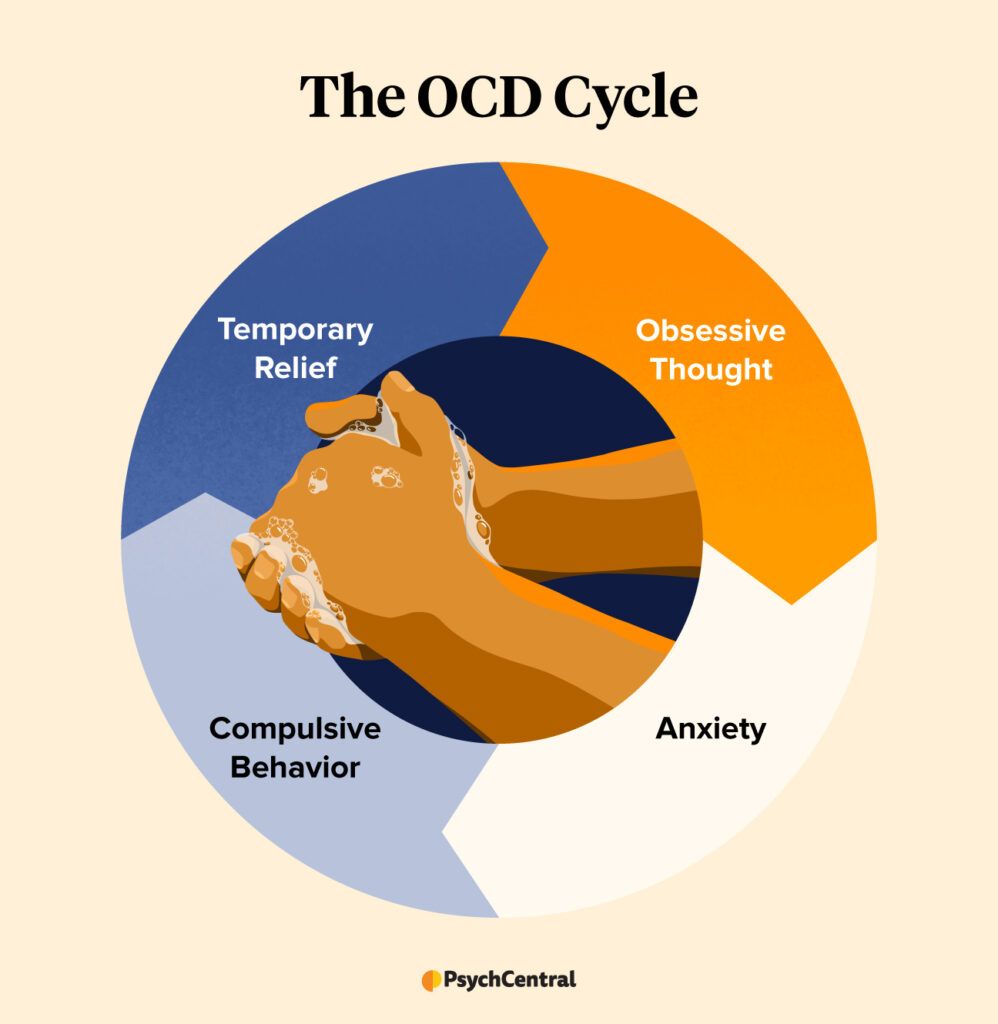
OCD is a mental health disorder that is characterised by obsessions and compulsions. Obsessions are unwanted, intrusive thoughts, images or urges that trigger intense distress. Compulsions are repetitive behaviours or mental acts the person feels driven to perform in response to the obsession, often to reduce anxiety or prevent a feared event from happening.
Very often, people trivialise OCD, reducing it to a quirky preference for neatness or orderliness. OCD is however not about being tidy or particular. It is a disabling condition that can severely affect a person’s quality of life. In the case of the young man, the obsession was a fear of contamination, and the compulsion was repeated washing until it physically harmed him. Other themes include: hoarding behaviours, need for orderliness or symmetry, fear of harm (repeatedly checking door knobs, gas knobs or locks) or intrusive taboo thoughts (sexual, aggressive or religious in nature).
Individuals with OCD are often aware that their thoughts are irrational, but they feel trapped in a cycle they can’t break. The exact cause is unknown, but genetics, brain chemistry, and life stressors all play a role.
Fortunately, OCD is treatable and psychological intervention and use of medication can help. It is however pertinent to ensure early intervention as if untreated, the condition can affect an individual’s quality of life, work and relationships.
We must stop using the term “OCD” casually and dismissively to describe being tidy for those living with the condition, it’s not a personality trait, it’s a daily struggle and battle. If you or someone you know is struggling with OCD, don’t stay silent, speak to a mental health professional as help is available and healing is possible.
Remember there is no health without mental health.