Understanding Tourette’s Syndrome
By Dr. Gbonjubola Abiri
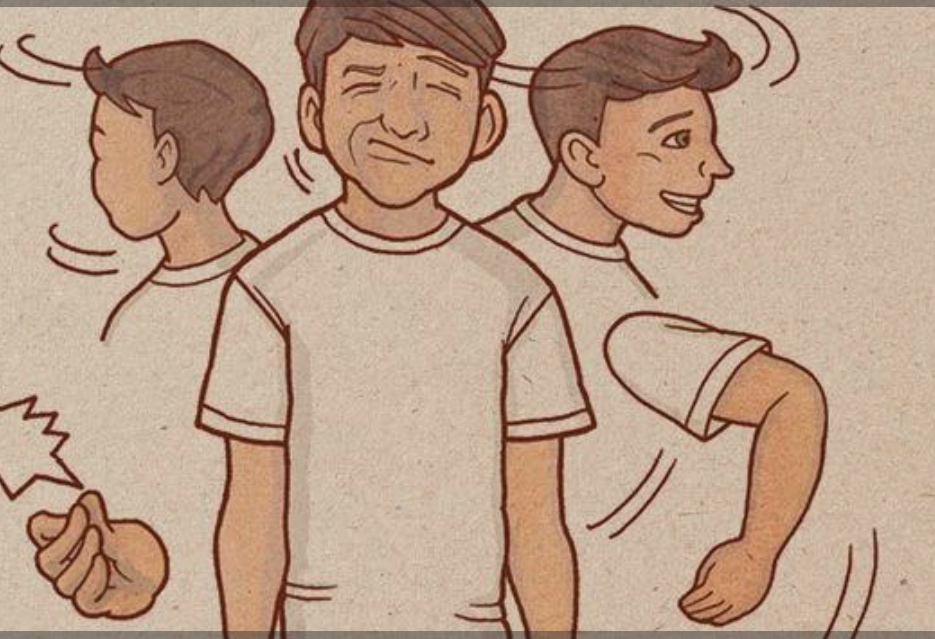
A few years ago, a teenage boy was brought to the clinic by worried relatives. They complained that he would suddenly blurt out obscenities in the middle of conversations, bark uncontrollably, fling his neck repeatedly, and sometimes bite himself or break objects when he got upset.
While some wondered if it was a spiritual attack, others thought it was drug abuse, and his school had labelled him a stubborn, disruptive boy.
Following a thorough assessment, we were able to make a diagnosis that offered clarity and hope to him and his relatives. He had been living with Tourette’s syndrome, a neurodevelopmental disorder that many misunderstand and stigmatise. His story is a reflection of many children, adolescents and even adults living with the condition.
Tourette’s syndrome (TS) is a neurological condition that is characterised by tics. Tics are a sudden, rapid and repetitive movement or sounds that are difficult for a person to control. They can be:
- motor (neck twisting, hand jerking, facial grimacing, eye blinking, lip twitching or shoulder shrugging) or
- vocal (throat clearing, barking, grunting or saying words unexpectedly). Some patients (about 1 in 10) with the TS have coprolalia where there is the involuntary use of obscene or socially inappropriate words. The tics are observed to get worse with anxiety, stress, excitement and improve when the patient is calm. The condition often starts before the age of 18 years and appears to improve in adulthood.
TS is often challenging due to the attitude and behaviour of misjudgment that is often meted out to them. They are often labeled as stubborn, unserious, violent and punished for an action they cannot control. Unfortunately, due to the misunderstanding, they are at risk of low self-esteem, school refusal, isolation, anxiety, depression, substance use disorders and bullying.
While there is no cure for the condition, it can be managed effectively with treatment which includes:
- Family education and supportive therapy
- Stress management techniques
- Cognitive behavioural therapy and habit reversal techniques
- Medication including antipsychotics and other tic-reducing medications
In some cases, the condition improves with age.
Tourette’s Syndrome does not define intelligence or potential. Many successful individuals including David Beckham (Footballer), Bill Eilish (Singer), Mahmoud Abdul-Rauf (Basketball player) and many more academics, artists and professionals all live with the condition. Early intervention, patience, understanding and a supportive community are vital to creating a world of difference. If and when we replace judgment with understanding, we create a society where young people like the teenage boy I encountered are not punished for their symptoms but supported to live their best lives.
Remember there is no health without mental health.