Healing from the Trauma of Bullying
By Dr. Gbonjubola Abiri
Few weeks ago, a viral video out of Benin City, Nigeria, stirred outrage, grief, and something deeper, recognition.
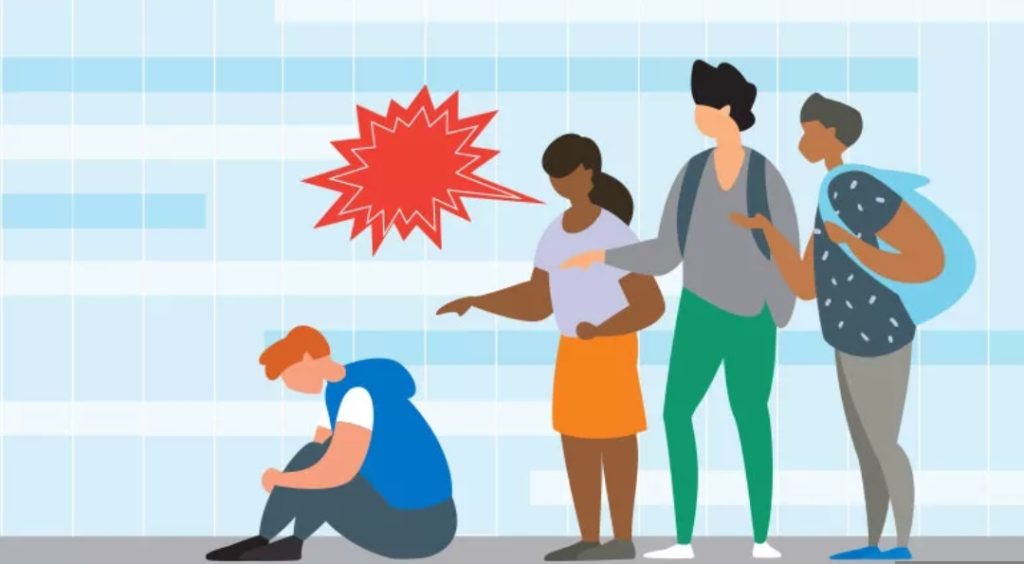
While on Television to speak about the impact of bullying in Nigerian schools, one of the hosts gave her detailed experience while in secondary school.
Shortly after, a conversation with my aunty revealed an even more sobering truth. Grown women, successful, accomplished, decades removed from school sat together and cried. Not over present struggles, but over wounds inflicted decades ago.
One shared how she deliberately failed an exam, choosing academic setback over the terror of returning to a dormitory where she felt unsafe.
Bullying, it seems, does not always end when school does. For some, it lingers quietly, reshaping self-worth, relationships, and even life choices. It is repeated harm, physical, verbal, emotional, or social, inflicted in a context where there is a power imbalance.
Victims often internalise the messages they received: “I am not good enough,” “I am powerless,” “I deserve this.” These beliefs can persist into adulthood, manifesting as anxiety, low self-esteem, people-pleasing, difficulty trusting others, or even depression.
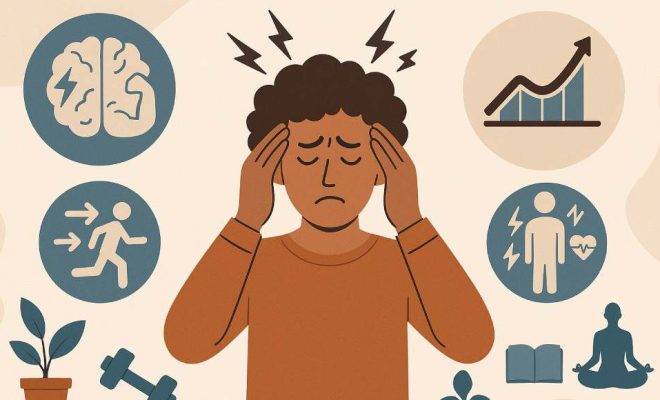
For some, the body remembers what the mind tries to forget. A tone of voice, a crowded room, a news report or authority figures may trigger old feelings of fear or shame. Unresolved trauma, lives not just in memory, but in the nervous system.
One of the most painful aspects of bullying is silence. Many victims never told their stories as they were dismissed, blamed, or told to “be strong.” Without recognition and validation, the wound deepened.
Contrary to popular belief, time, does not automatically heal all wounds. What heals is what is acknowledged, processed and supported.
Healing from the trauma of bullying, even decades later is possible. It however begins with a few courageous steps:
- Name it to tame as you give language to your experience .
- Challenge the lies as you understand that the beliefs formed in those moments were shaped by pain, not truth.
- Tell your story safely through therapy, trusted friends, journaling or support groups.
- Reconnect with your worth via engaging in activities, relationships and communities that serve you and affirm your value.
- Seek professional support when needed to process your deep-seated experiences.
As humans, we are often in a rave when we react to viral videos and public events, often leading to a “digital wildfire” effect. As soon as the next viral video shows up however, our energies and attention shift. Beyond reacting however, we must look inward and forward. Schools, parents, institutions and communities must take bullying serious. It shouldn’t be handed down as a rite of passage but discussed as a preventable harm with lifelong consequences.
Healing from the trauma of bullying does not have an expiration date and sometimes, the bravest thing a person can do is finally tell the story they have carried in silence for years.
Remember there is no health without mental health.