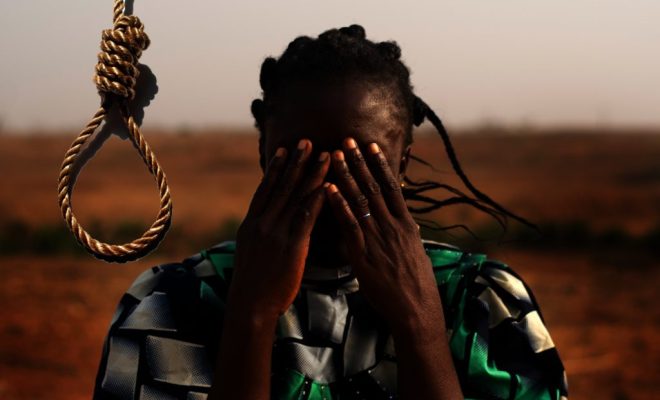
Understanding Post Traumatic Stress Disorder (PTSD)
By Dr. Gbonjubola Abiri
When Mr. Wale walked in, he appeared composed, well-dressed, and very measured in his speech. He appeared like he could have the toughest storms in life and at work under control.When
I asked why he had come in for the session, he responded: “Doc, maybe you can help explain what’s happening to me as I do not understand. The accident happened months ago. While I am grateful to be alive, I don’t feel quite like myself”.
He described the road accident with a bit of difficulty. It was on a rainy night, when a speeding vehicle rammed into his car at top speed. The car was a write off, but he made it out with minor bruises and spent just a few days in the hospital.
“ Something has changed Doc” he reiterated. “I can’t drive anymore. I get nervous when I get behind the wheel. I start to relive the moments from that night all over again. The headlights, the screeching tires, the loud thud, the confusion and the silence that followed afterwards. It’s like it’s happening all over again, only that it’s not”.
He added that he started by avoiding certain roads, driving at snail speed and only in the daytime, till he stopped driving altogether. Sleep then started to deteriorate. He would spend hours awake and alert, and when he eventually fell asleep, he would wake up drenched in cold sweats from nightmares. He admitted to feeling irritable with family, with friends and colleagues. In distress, he said to me: “Dr Abiri, What is wrong with me”.
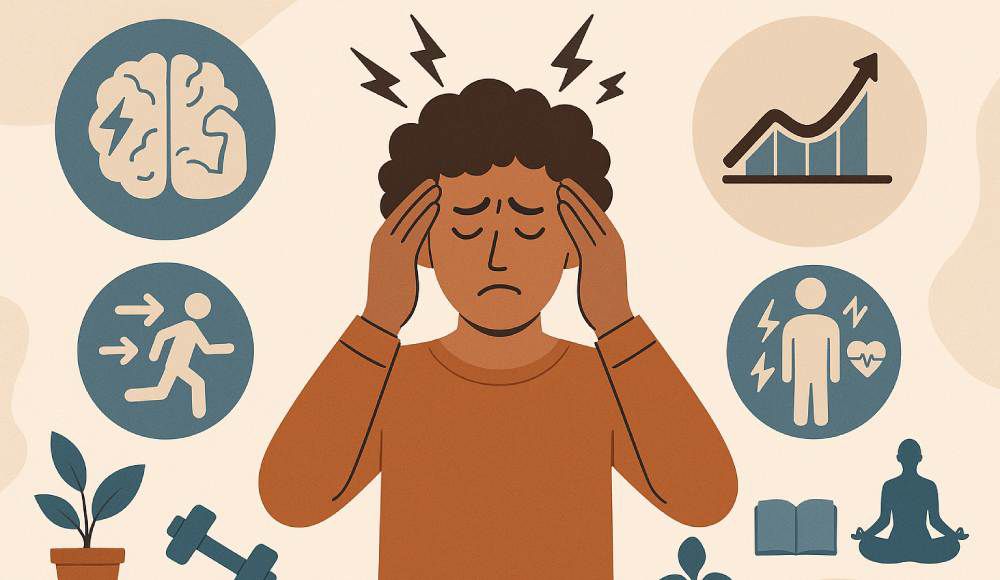
His diagnosis was Post Traumatic Stress Disorder, PTSD, an anxiety disorder that occurs after a significant traumatic incident that makes the mind feel overwhelmed as it is threatened, terrified and even distressed. The traumatic incident may be an accident, a loss, an assault or a near death incident with the brain trying to make sense of what has happened. While the danger is passed, the mind keeps it active, as if it is still present. Persons with PTSD often present with :
– Flashbacks or nightmares that make them relive the moment.
– Avoidance of places, people or situations that remind them of the incident.
– A feeling of hyper-arousal where they feel on edge or easily startled.
– Struggle with sleep, concentration or irritability.
Many people face traumatic incidents and think that just because the event is over, it means they are fine. Unfortunately however, some may develop PTSD. On the outside, they look well, but inside, they are struggling with the reality of the condition. PTSD is manageable with psychotherapy and or medication especially when people present early after a traumatic event. Healing is possible, but awareness and early intervention makes for a world of difference.
Remember, there is no health without mental health.