The Mind That Hates the Body: Understanding Body Dysmorphic Disorder
By Dr. Gbonjubola Abiri
Eni walked in, like someone who had it all together. As she sat down, her first words caught me off guard.

“Doctor, I need to fix my body.”
Looking at her, there was nothing obviously “wrong.” She was healthy, well-proportioned, and by societal standards, attractive.
“This is what I want,” she said, pointing to carefully curated images of surgically enhanced bodies.
“I’ve already booked a BBL.”
As we talked, she mentioned she had always struggled with self-esteem. She had been teased about being “too thin” and while in university, social media amplified her insecurities.To her, the surgery was her “last hope” to feel confident.
Eni’s story is becoming increasingly familiar.
Lately, there has been a surge in demand for cosmetic procedures, particularly Brazilian Butt Lifts, BBLs. Despite rising reports of complications and even deaths, many women continue to pursue these surgeries. The question becomes: why does the risk not deter them?
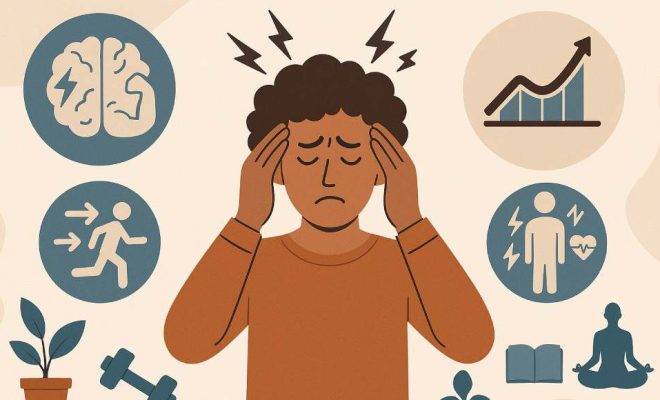
Part of the answer lies in Body Dysmorphic Disorder, BDD, a mental health condition where individuals become excessively preoccupied with perceived flaws in their appearance, flaws often minor or even invisible to others. For them, the mirror becomes an enemy. The mind magnifies imperfections. Confidence erodes and surgery begins to feel like the only solution.
The challenge is however that when the mind is distressed, changing the body rarely resolves the deeper pain. Many individuals seeking repeated cosmetic procedures often have underlying psychiatric co-morbidities: low self-esteem, anxiety disorders, depression, trauma, or experiences of bullying and rejection.
Social media has intensified this struggle as we now live in a world of filters, edited bodies and unrealistic beauty standards. Comparison is constant while validation is measured in likes and comments. And slowly, dissatisfaction with one’s body begins to grow.
What makes this even more concerning is that even after surgery, some individuals remain dissatisfied. The focus simply shifts as the mind that hates the body continues to search for flaws.
Eni paused during our session and asked: “Doctor, what if I do the surgery and I still don’t feel okay?”
It was a powerful moment as beneath the desire for transformation was a deeper longing, to feel worthy, confident, and accepted. Beauty is not just about the body; it is deeply connected to the mind. When the mind is burdened by insecurity, trauma, or depression, cosmetic changes alone cannot heal emotional wounds.
Cosmetic procedures are not inherently wrong. For some, they can improve confidence. When the motivation is driven by distress, self-hatred, or desperation, it becomes important to pause and explore the psychological factors involved.
Honestly, the real work is not changing the body, but healing the mind. The greatest transformation is not always found in surgery. Sometimes, it is found in learning to see ourselves with compassion, acceptance and kindness.
That kind of beauty, my darlings, cannot be surgically created.
Remember there is no health without mental health.