Celebrities and the Revival of Ethnic Fashion
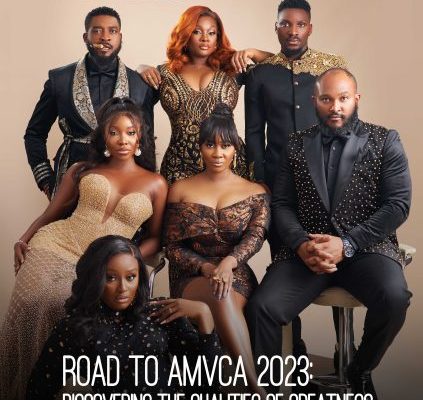
The just-concluded 11th edition of the Africa Magic Viewers’ Choice Awards cultural night was more than a glamorous gathering of stars, fashion designers, and filmmakers. It was a vibrant display of identity, heritage, and cultural pride, one that once again highlighted how Nigerian celebrities are influencing a new generation of young people to reconnect with their roots through fashion.
For years, many urban Nigerian youths viewed traditional attires as outfits reserved for weddings, funerals, village meetings, or festive holidays. Western fashion dominated wardrobes, while traditional fabrics and cultural accessories were often considered outdated among younger generations seeking modernity and global relevance.
Today, however, that narrative is rapidly changing.
Across universities, lounges, social events, workplaces, and social media platforms, members of Generation Z are increasingly embracing agbada, aso-oke, isiagu, kaftans, beads, wrappers, and locally crafted fabrics, not merely as ceremonial attire, but as everyday expressions of identity and style. At the centre of this cultural shift are Nigerian celebrities whose influence extends beyond entertainment into lifestyle and identity formation.
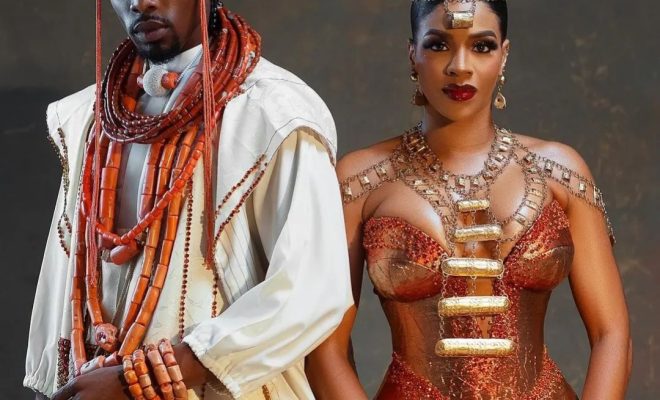
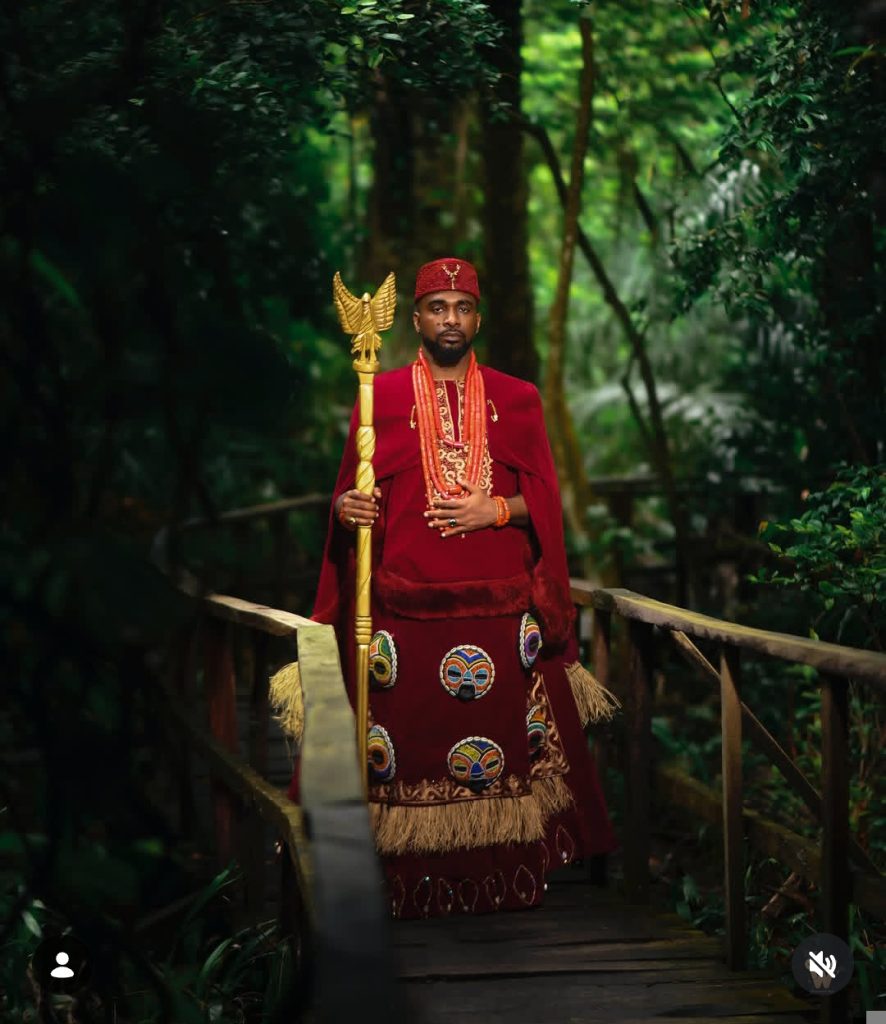
At the AMVCA Cultural Night, celebrities arrived dressed in richly detailed traditional outfits that celebrated Nigeria’s ethnic diversity. Flowing agbadas embroidered with northern patterns, Yoruba-inspired aso-oke ensembles, regal Igbo attire adorned with coral beads, and Efik-inspired garments dominated the evening, making it a showcase of cultural sophistication.
For many young viewers watching online, the message was unmistakable: ethnic fashion is no longer “old school”; it is aspirational.
It’s unarguable that celebrities such as Ebuka Obi-Uchendu, Stan Nze, and Noble Igwe have played a major role in redefining male traditional fashion in contemporary Nigeria. Their consistent appearance in well-tailored agbadas, senator outfits, and richly designed cultural ensembles has helped transform traditional wears into a symbol of elegance among young men.
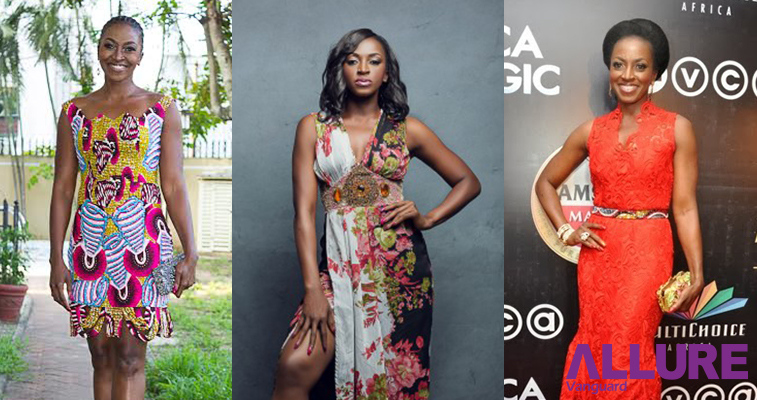
Similarly, actresses Osas Ighodaro and Liquorose continue to influence younger audiences by confidently embracing African fabrics and cultural aesthetics on red carpets and social media.
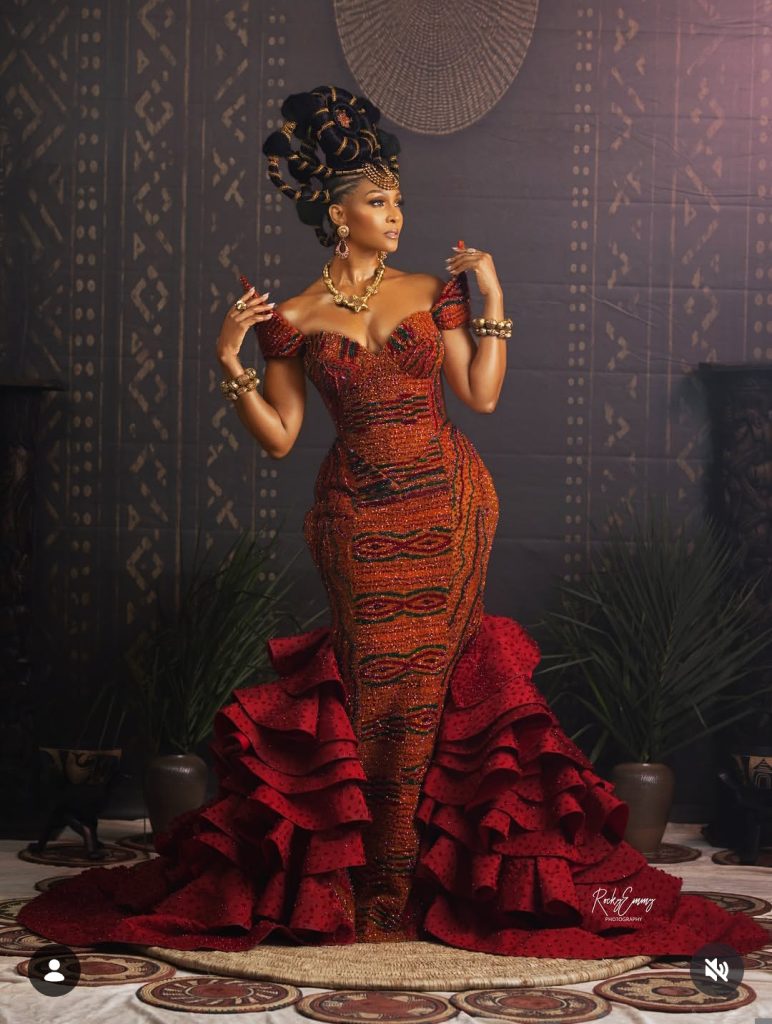
Fashion observers say the celebrity effect has become one of the strongest drivers of cultural reawakening among Nigerian youths.
In an era dominated by Instagram, TikTok, and celebrity culture, young people now see traditional attires not as a relic of the past but as a fashionable statement tied to confidence, prestige, and authenticity. Viral fashion moments from award ceremonies such as the AMVCA, movie premieres, weddings, and music videos have helped reposition indigenous fashion as trendy and globally appealing.
The rise of Afrobeats has also contributed significantly to this transformation. Nigerian musicians who export African sounds to global audiences are also exporting Nigerian fashion. From music videos to international performances, artists frequently incorporate traditional fabrics, beads, caps, and cultural symbols into their appearances, further influencing young fans at home and abroad.
Beyond aesthetics, the renewed embrace of indigenous fashion reflects something deeper — a growing desire among Nigerian youths to reconnect with culture in an increasingly globalised world.
For many Gen Z Nigerians, fashion has become a language of identity. Wearing native attire now represents pride in heritage, appreciation for craftsmanship, and resistance to cultural erasure. In a generation heavily influenced by global trends, many young Nigerians are finding ways to remain modern without abandoning their roots.
The economic impact is equally significant.
As celebrity influence fuels demand for native fashion, local designers, fabric merchants, bead makers, and artisans are witnessing increased patronage. Indigenous fashion brands now enjoy stronger visibility, while cultural fashion entrepreneurship continues to expand across Nigeria’s creative economy.
The AMVCA cultural night further demonstrated that Nigerian fashion is no longer confined within local boundaries. With millions of viewers across Africa and beyond, the event projected Nigerian culture onto an international stage, reinforcing the idea that African fashion can compete confidently with global trends while maintaining its originality.
Cultural commentators believe the growing acceptance of native fashion among youths may help preserve traditions that once appeared threatened by westernisation. While language, food, and customs continue to evolve, fashion remains one of the most visible and accessible ways for young people to stay connected to their heritage.
As celebrities continue to shape conversations around identity and self-expression, one thing is becoming increasingly clear. In today’s Nigeria, culture is no longer confined to history books or village festivals. It is walking boldly on red carpets, dominating social media timelines, and finding a permanent place in the wardrobes of a new generation.