PANIC DISORDER
By Dr. Gbonjubola Abiri
Tee, a 38 year old banker was driving home from an outing when his heart suddenly started to pound violently. His hand started to tremble. He felt overwhelmed, dizzy, everything appeared blurred as he struggled to catch his breath. All that he kept thinking was: “I am about to die”.
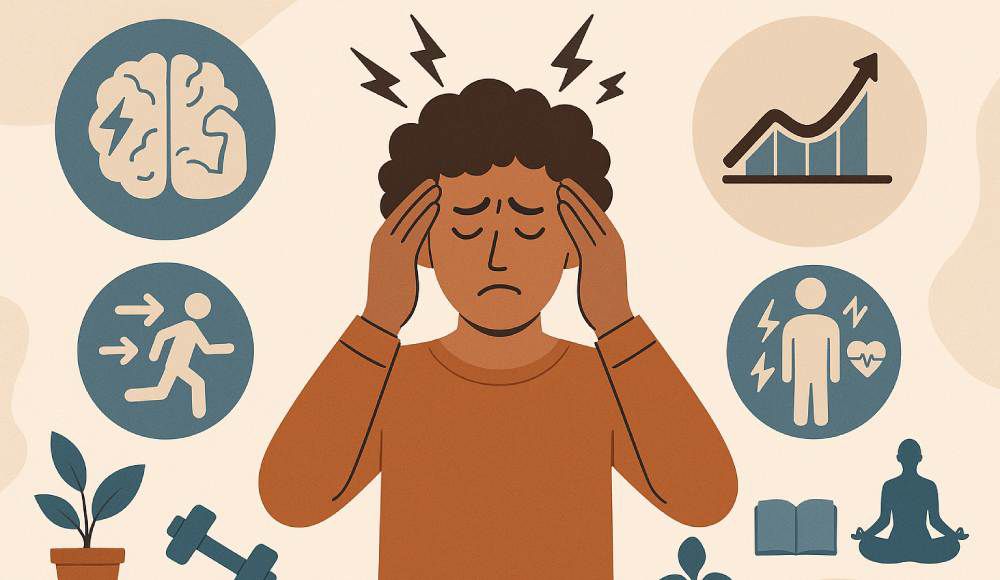
He was certain that this were signs of a heart attack and then rushed to a hospital. Once there, all relevant investigations were conducted and all returned within normal limits.
The doctor asked: “ Have you been going through significant stress lately or did you just have a traumatic life event?” While Tee just recently lost his father, he was wondering how this could make anyone feel like they were dying.
The episodes returned and became intense over the next few weeks. Initially they occurred in traffic, church, the supermarket and then at work. His functioning started to decline as he began to have fears of the attacks which were almost as frightening as the attack itself. He landed in the hospital a few more times and then I was invited to review. I made a diagnosis of Panic Disorder which he clearly met criteria for.
Panic disorder describes a type of anxiety disorder that is characterised by recurrent and unexpected panic attacks. When panic attacks occur, the individual feels an intense wave of fear or discomfort which peaks within minutes. The symptoms may include: a sense of impending doom or danger, fear of loss of control or death, rapid, pounding heart rate, shortness of breath or tightness in the throat, nausea and a feeling of unreality or detachment. Some individuals have a feeling they are “going mad”, having a stroke or about to die.
While we as individuals may have 1 or 2 panic attacks in our lifetime following exposure to a stressful event, those with the disorder have recurrent, unexpected panic attacks and spend long periods in constant fear of another attack. Factors such as overwhelming stress, trauma, burnout, sleep deprivation and unresolved emotional struggles may be contributory to the panic symptoms.
The condition begins to affect quality of life as many suffer in silence, avoid social events, meetings or public spaces due to the fear of another episode. It also predisposes to other mental and physical health challenges. Relatives and friends often get frustrated as they are unable to understand why their relative cannot just return to normal. With Cognitive Behavioural Therapy (a specialised form of talk therapy), learning stress management techniques and adaptive coping techniques, lifestyle adjustment and medication, patients can get well.
If you or anyone you know suffers from panic disorder, avoid dismissing it as a spiritual attack or just overthinking. It is important to seek professional help early as this will prevent the condition from worsening and restore quality of life.
Remember there is no health without mental health