
The Enduring Allure of Royal Ascot
By Yemisi Suleiman
Every summer, the world turns its gaze to a centuries-old British tradition where royalty, horse racing, fashion, and social prestige converge in spectacular style. More than just a sporting event, the annual Royal Ascot has evolved into one of the most celebrated cultural occasions on the global calendar, embodying the elegance, heritage, and pageantry that define British society.
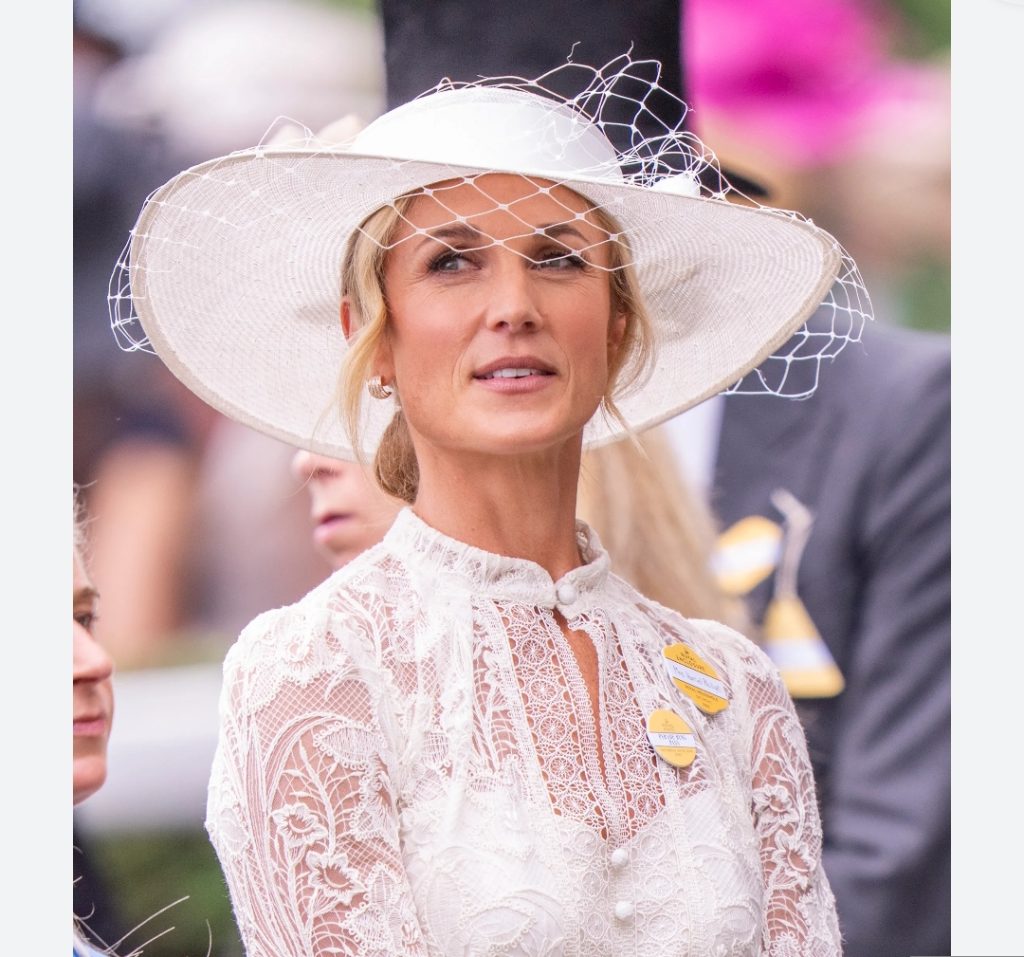
Founded in 1711 by Queen Anne, the first monarch of the newly United Kingdom of Great Britain, who reigned from 1702 until her death in 1714. Royal Ascot began as a horse racing event but has since transformed into a cultural institution. Held over five days each June at Ascot Racecourse, the event attracts members of the British Royal Family, aristocrats, celebrities, fashion enthusiasts, and visitors from around the world.
A Celebration of British Heritage
At its heart, Ascot is a celebration of tradition. The iconic Royal Procession, in which members of the Royal Family arrive in horse-drawn carriages, remains one of the event’s most anticipated spectacles. This ceremonial display reflects Britain’s deep respect for history and continuity, connecting modern audiences with customs that have endured for more than three centuries.
Beyond the races, Ascot serves as a social gathering where generations come together to honour tradition while embracing contemporary influences. It is a living expression of British culture, where etiquette, elegance, and ceremony remain highly valued.
The Fashion Stage Beyond the Racetrack
While the horses command attention on the track, fashion steals the spotlight off it. Royal Ascot is renowned for its strict dress codes, particularly in the Royal Enclosure, where sophistication and refinement are paramount.
Women arrive in striking dresses adorned with elaborate hats and fascinators, transforming the racecourse into a vibrant runway of colour, creativity, and craftsmanship. From floral masterpieces to architectural headpieces, millinery takes centre stage as a cherished art form.
Men, meanwhile, uphold the event’s sartorial traditions with tailored morning suits, waistcoats, silk ties, and polished top hats. The result is a visual celebration of classic British style, where timeless elegance meets modern fashion sensibilities.
A Global Fashion Influence
Ascot’s influence extends far beyond Britain. Images from the event circulate globally, inspiring designers, stylists, and fashion lovers. The occasion has become a showcase for emerging trends while preserving the traditions that make it unique.
In many ways, Ascot demonstrates how culture and fashion can coexist harmoniously. It proves that heritage does not have to be confined to museums or history books; it can be worn, celebrated, and reinvented for new generations.
More Than a Race
What makes Ascot truly remarkable is its ability to transcend sport. It is a cultural experience that brings together history, royalty, fashion, and community. Whether one attends for the thrill of the races, the spectacle of the fashion, or the grandeur of the traditions, Ascot offers a glimpse into a world where elegance remains timeless.
The Countdown Begins
With just days to go before the opening race for 2026 – June 16, the stage is set for another chapter in the story of Royal Ascot. The horses are preparing, the fashion houses are making final adjustments, and guests from all over the world are readying their finest ensembles.
For five spectacular days, tradition and modernity will once again come together in a celebration that captures the very essence of British culture. In an age of rapidly changing trends, Royal Ascot stands as a reminder that some traditions endure because they continue to evolve while staying true to their roots. It is not merely an event, it is a celebration of culture, style, and the enduring power of heritage.