How Fashion can Replace Oil as Major Forex Earner
By Morenike Taire
The merging of the colonial old with the post colonial new is the key to realising the positioning of Nigerian fashion as a major foreign exchange earner and breaker of the jinx of a monocultural economy, according to a new generation fashion designer, Toyin Oluyeye, who posits that our fashion can also be a veritable tool for the empowerment of women, both through designing and by providing jobs for women artisans and workers in local industries.
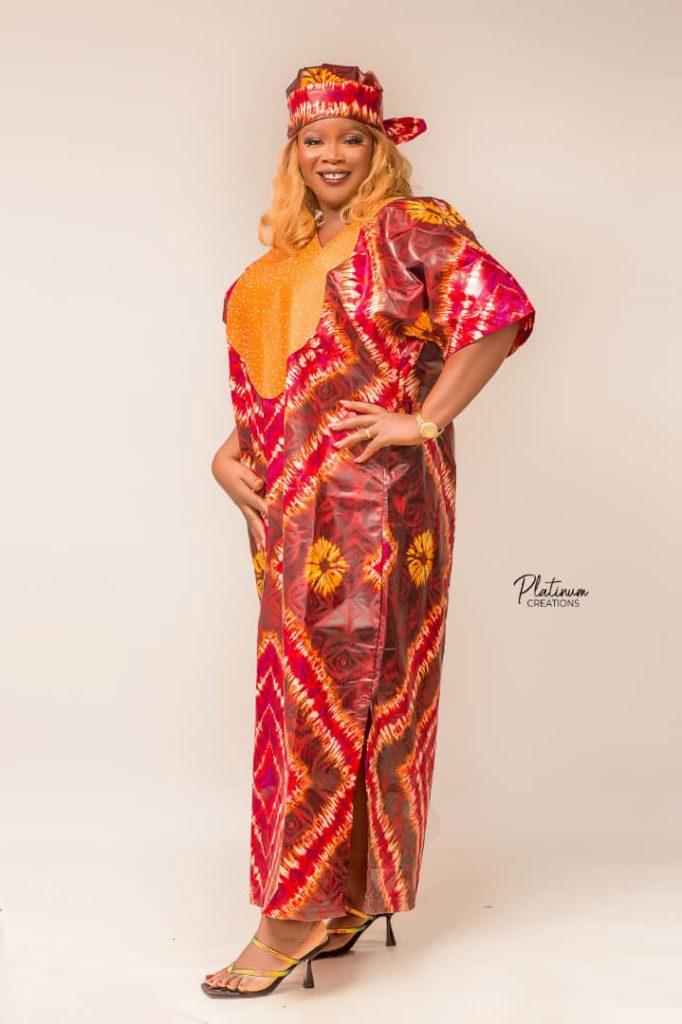
Oluyeye began her fashion career in 2010 with a view to creating a balance between the African culture and westernization, birthing the Excellent Home of Fashion brand in 2014. Her brand is firmly traditional, with her contemporary designs also borrowing generously from the traditional.
Ekiti born Oluyeye, also a fashion tutor and public administrator is strongly inspired by passion for the evolution of fashion, from the era of cultural fusion to the era of global recognition, with designers like Deola Sagoe, Lisa Folawiyo and Maki Oh gaining international recognition and dressing global celebrities like Beyonce, Solange, and Lupita Nyong’o.
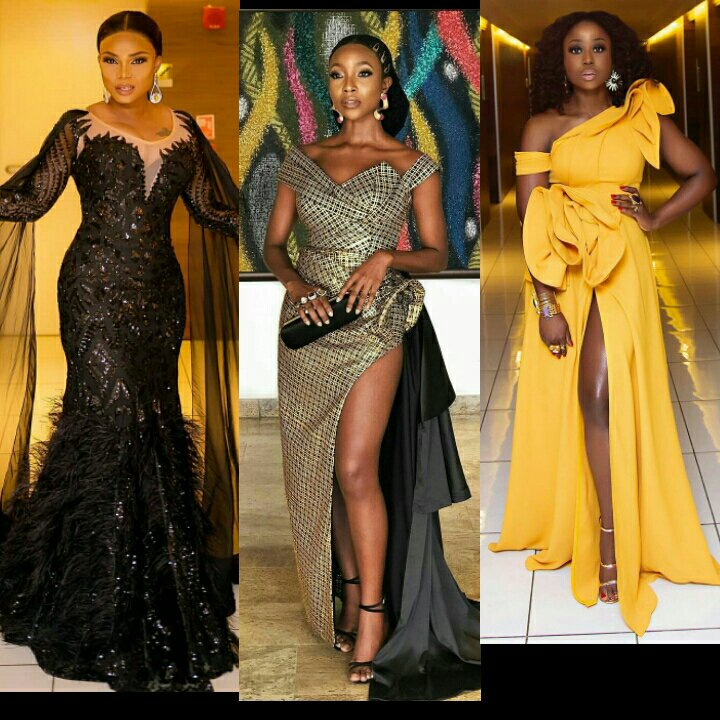
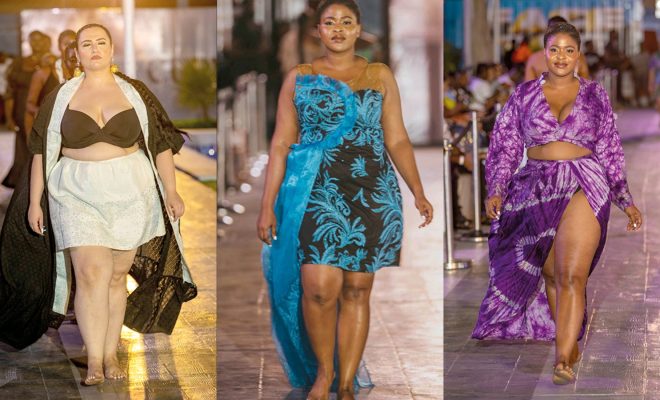
According to her, Nigerian fashion has since increasingly embraced sustainability, with a focus on local, eco-friendly materials and traditional craftsmanship, while growing more confident with innovative aesthetics- bold prints, vibrant colours, and complex, hand-embellished designs becoming trademarks of Nigerian fashion, helping it stand out globally.
Oluyeye uses clean, classic lines in her own designs, leveraging on traditional fabrics to enhance her postmodern ethos.
“Beyond the famous Nigerian creativity, Nigerian designers possess extensive knowledge of fabrics, cultural contexts, and craftsmanship, deeply influencing the ethos of their fashion houses. This knowledge is critical, not only in producing beautiful garments but also in preserving cultural identity and traditions. With the world shifting towards more sustainable fashion practices, Nigerian designers are in a unique position to highlight traditional, eco-friendly fabrics and artisanal methods. They can appeal to the growing market for ethical fashion, while preserving the cultural craftsmanship of local artisans”.

These unique qualities position Nigerian fashion as a major foreign exchange earner through sales, cultural exchanges, skills acquisition and tourism. This is within the context of an increasing demand for African cultural representation worldwide.
For this potential to become reality, Oluyeye provides a roadmap.
“Social media has transformed how fashion houses interact with their audiences, allowing for direct communication and real-time feedback, which can influence design decisions and marketing strategies. A fashion house is more than just a design studio but a creative ecosystem that combines artistry, business acumen, and cultural understanding. Whether it’s a high-end couture label or a ready-to-wear brand, fashion houses are pivotal in shaping the dynamics of the fashion industry”, she said.
“Overcoming the bias for foreign brands will take time, but with strategic investment in the local industry, Nigeria’s fashion can compete on a global scale and command the same level of prestige as major foreign brands”.

For her, the success of a fashion house is not solely based on its design capabilities but also marketing, branding, and customer engagement. Nigerian designers should establish their presence on the global fashion stage by increasing their visibility in international markets, fashion weeks, and luxury retail spaces, leveraging growing global interest in African fashion and culture, fuelled by movements such as Afrofuturism. She further urges her constituency to leverage digital platforms for even virtual fashion shows in the short to medium term, while fostering local talent and empowering communities by creating jobs and supporting local artisans through training in alignment with the global push for ethical fashion.
Oluyeye said, “As the global fashion industry faces increasing pressure to reduce its environmental footprint, Nigerian designers are well-positioned to lead by example, given the country’s tradition of artisanal craftsmanship and the use of natural fabrics like Adire. The global shift toward digital fashion consumption has been accelerated by the COVID-19 pandemic, and Nigerian fashion houses are increasingly capitalising.
The Nigerian and wider African diaspora is growing, particularly in key markets like the U.S., U.K., and Europe. Nigerian designers have already been making waves at global fashion shows; by showcasing at these events, designers can gain more international buyers and media attention”.
Other strategies proposed include collaboration with international brands and designers, youth engagement and innovation, creation of ready-to-wear and accessible luxury, traditional techniques and craftsmanship, and a preservation of the Nigerian identity.
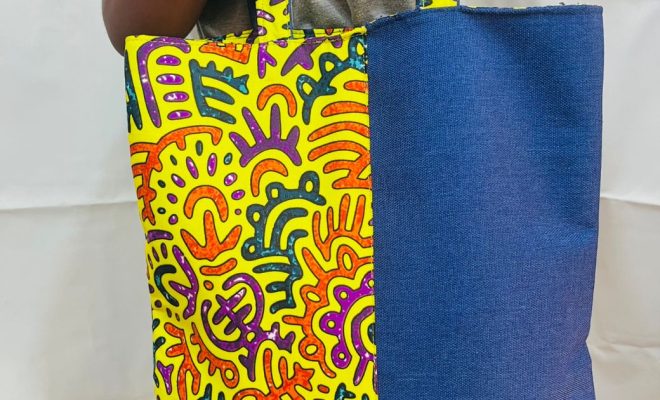
“Ankara is worn across different ethnic groups, creating a nexus between celebrations, festivals, and everyday fashion. Nigeria is home to over 250 ethnic groups, each with unique cultural attires, symbols, and fabrics. Designers draw from this diversity to create collections that are often pan-Nigerian or focused on specific ethnic traditions. Nigerian fashion is closely tied to the country’s ceremonies and celebrations”.
Major forex earner
Oluyeye told Vanguard that to make fashion a major foreign exchange (forex) earner, the country needs to invest in the local fashion industry. Highlighting the challenges in brand recognition, quality perception, and global competitiveness, she said platforms like Farfetch, Net-a-Porter and Amazon can be crucial for reaching foreign markets, while government support in terms of trade policies, logistics, and lower export taxes could also ease the process.
“The Nigerian diaspora is a large potential market. One of the reasons foreign brands like Tom Ford attract rich Nigerians is their global prestige, built over time through branding, quality assurance, and association with luxury. Nigerian fashion houses need to invest in branding that positions them as competitive, high-quality, and luxurious. This could involve collaborations with global celebrities, fashion influencers, and strategic media coverage in top fashion outlets.
Nigeria can become a fashion tourism destination by promoting Lagos as the fashion capital of Africa. Events should be expanded and heavily marketed internationally, bringing in buyers, enthusiasts, and media from around the world.
“Investment in reliable power, transportation and access to quality raw materials (fabrics, dyes, etc.) will help improve competitiveness of Nigerian brands globally.
Fashion schools, training programs, and mentorship initiatives can help grow a new generation of designers and artisans who understand global trends and the technical skills required to compete internationally”.
Allure of foreign brands
Joining the call for more affluent Nigerians to support local fashion and help build a globally competitive Nigerian luxury fashion market, she decried the trend of wealthy Nigerians perceiving foreign brands as superior in terms of quality, design, and prestige. “Brands like Tom Ford or Gucci have built decades-long reputations for high craftsmanship, and they are seen as status symbols. Local brands are seen as lacking the same level of consistency and refinement, even though Nigerian designers produce high-quality pieces. We need to focus on maintaining and communicating quality at an international standard and developing rigorous quality control measures.
Nigerian fashion houses need to invest in strategic branding to elevate their brands to global luxury status. Collaborations with international fashion influencers, celebrities, and appearances at major global fashion events can help.
Local designers should focus on creating high-end, exclusive collections that cater specifically to affluent tastes, with attention to detail and luxury materials.
There is a long-standing cultural bias in Nigeria towards foreign goods being better, especially among the elite. This mindset extends beyond fashion to other consumer goods. Many Nigerians with disposable income prefer foreign brands because they equate them with sophistication and global recognition”.
Areas for Improvement:
Fit and Structure: While the Gowns attempt to provide sleek, professional attire, some of the combinations appear outdated. There is a tendency for the Gowns to lean heavily on a boxy fit, which can feel ill-fitted, especially in today’s fashion environment, where tailored, slim-fit, and structured designs are more popular. A reevaluation of the fit to make these pieces more flattering could enhance their appeal.
Tonal Cohesion: Another critique lies in the overall color palette and tonal cohesion of the collection. While the Ankara fabric and darker tones are expected for formal evening wear, the collection could benefit from an infusion of lighter shades and pastel tones, especially for a Spring/Summer release. The Boubou does not fully embrace the light, airy feel that typically defines collections for warmer seasons. Incorporating more summer-friendly hues like soft blues, beiges, and even subtle checks would have brought a fresher, more seasonally appropriate touch.