Narcolepsy: When Sleep Becomes a Daily Battle
By Dr. Gbonjubola Abiri
She walked into my office that day looking exhausted. She just lost her third job in less than a year. Every workplace had labeled her as lazy. Colleagues and managers often found her sleeping at her desk, sometimes in the middle of a task and instead of asking if she was okay, proceeded to film her for their entertainment.

She couldn’t understand the uncontrollable sleepiness and had tried various measures to stay awake especially at work, all to no avail. It was during her assessment that the truth became clear.
She met criteria for narcolepsy, a clinical condition she never knew existed.
Her story is not uncommon as there are jokes about people who can fall asleep anywhere, even on water.
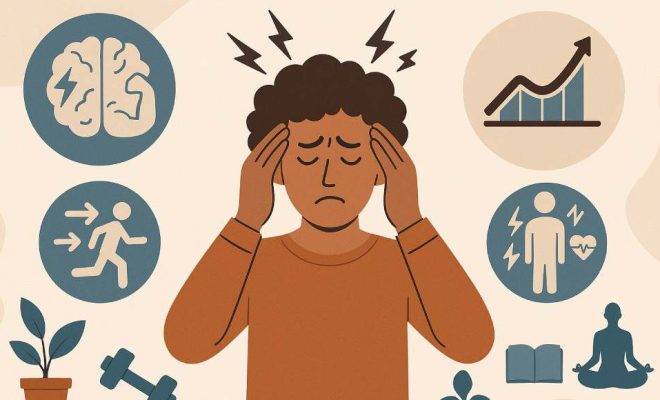
Narcolepsy is one of the most misunderstood sleep disorders. It affects the brain’s ability to regulate the sleep-wake cycles. It results in an almost impossible-to-resist urge to fall asleep suddenly during the daytime, even during activities that require alertness, at work, in class, or while having a conversation.
The sleep attacks are the result of disrupted sleep regulation deep within the brain.
There are 4 main symptoms of narcolepsy :
- Excessive daytime sleepiness which happens in everyone with the condition.
- Sudden loss of muscle tone (cataplexy) affecting a part of the body and triggered by strong emotions like laughter, surprise, or anger.
- Sleep-related hallucinations which happen right before waking up or falling asleep.
- Sleep paralysis where they are conscious but unable to move.
For these individuals, life becomes a cycle of never feeling fully awake and never feeling fully rested. The condition affects relationships, employment, self-esteem, and mental health. Many individuals are often undiagnosed or misdiagnosed for many years. Some individuals battle with wrong labels of using substances of abuse, being lazy, unserious and inattentive. Others like the lady in the story battle with shame and the confusion of not understanding what is happening in their bodies.
The diagnosis of narcolepsy can be made through a detailed history and sleep studies. Although, there is currently no cure, treatment and lifestyle modifications including medication, planned naps, sleep hygiene techniques and reliable support systems can improve daily functioning. We must as a people resist the temptation to make assumptions when we see people who struggle. Not every sleeping person is unserious or abusing substance.
Narcolepsy is a reminder that not all health challenges are visible to the eye and that with empathy and the right treatment, persons with the condition can thrive.
Remember there is no health without mental health.