Do You know That Soy Milk May Help Lower Cholesterol
Several studies suggest that soy may improve cholesterol levels, especially LDL (bad) cholesterol.
In an extensive review of 35 studies, researchers found that eating soy products reduced LDL (bad) cholesterol and total cholesterol while raising HDL (good) cholesterol.
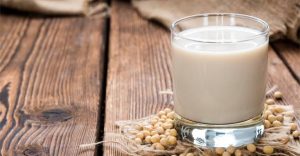
These improvements were greater in people with high cholesterol levels.
However, the researchers observed that soy supplements didn’t have the same cholesterol-lowering effect as eating soy foods.
In another older review of 38 studies, researchers noted that an average soy intake of 47 grams per day was linked to a 9.3% decrease in total cholesterol and a 13% decrease in LDL (bad) cholesterol.
Fiber seems to play an important role in cholesterol-lowering effects of soy.
In one study, 121 adults with high cholesterol took 25 grams of soy protein with or without soy fiber for 8 weeks. The soy with fiber reduced LDL (bad) cholesterol more than twice as much as soy protein alone.
Some research suggests that soy may help lower cholesterol, improve fertility outcomes, and reduce menopause symptoms.
Some studies have suggested that soy may have positive effects on cholesterol levels, cancer risk, and menopause symptoms.
However, other studies have shown that soy intake may negatively impact certain aspects of health, including digestion and ovarian function.
What’s more, research has shown that the potential health benefits of soy likely depend on the form in which it’s consumed, with whole or fermented soy foods being superior to more processed forms of soy.
Although it’s clear that more high-quality research is needed to determine the effect of soy consumption on overall health, the majority of current studies suggest that consuming whole or fermented soy foods in moderation is likely safe and beneficial for most people.