Water is Life: The Mental Health Benefits of Drinking Water
By Dr. Gbonjubola Abiri
“Water is life” is a common phrase that describes the fundamental and essential role water plays in sustaining all living organisms. It further underscores that water is not just necessary for survival, but serves as a catalyst for growth, health, and well-being.
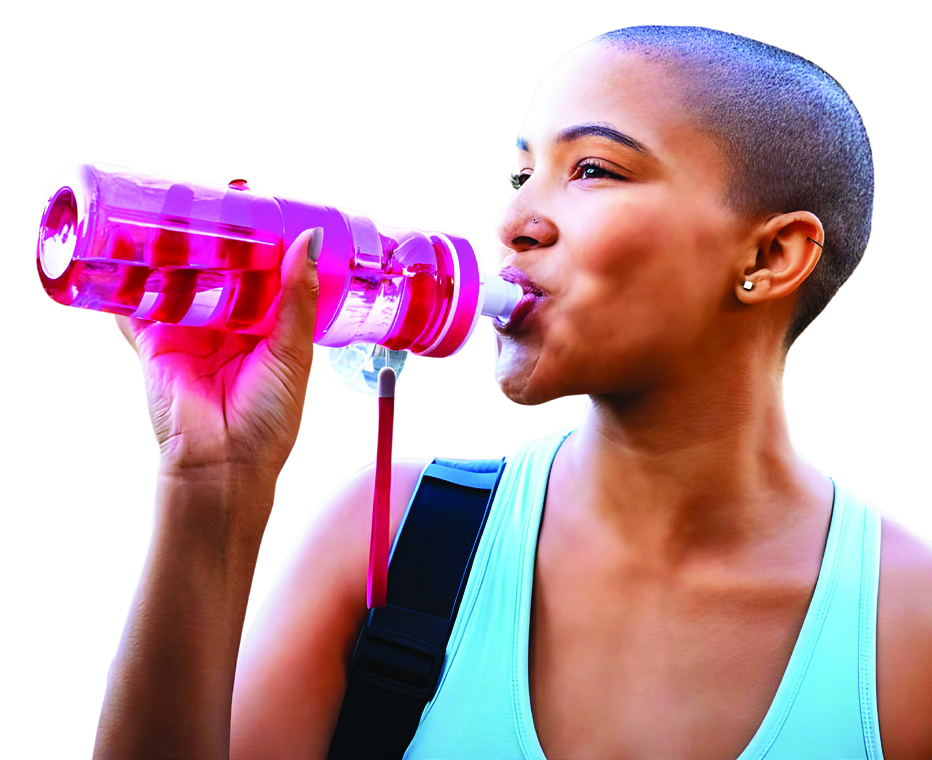
Water is one of the simplest, neglected and most overlooked elements of mental health, wellbeing and life itself. When water is discussed, it is usually in respect to physical health and its benefits such as digestion, skin health, hydration, improving joint mobility and enhancing kidney functions. Rarely is the importance of water to the mind discussed.
It is interesting to know that the the brain as an organ is composed of 73-85% water content and as such, mild dehydration, as little as 1-2% can impair the function of the brain. This happens because the brain is dependent on the fluid balance to ensure proper neurotransmission of the chemicals which function to ensure our mood, energy levels, attention and decision making.
Subsequently, if the water levels are low, we are likely to feel an inability to pay attention and concentrate properly, be less creative, have slow reaction times and be more susceptible to mental fatigue.
Additionally, when dehydrated, our cortisol levels rise, leading to an increased tendency to anxiety, mood swings, poor sleep and increased stress levels. Research shows that adequate water levels in the body are known to regulate the stress hormone cortisol.
While water is clearly not a replacement for medication and psychosocial interventions for mental health conditions, it supports with self-care of our bodies and our mind. While water intake may seem rather difficult for most people thus making them prefer carbonated drinks, alcohol, juices, teas, coffee and milk, regular intake is actually easy, healthy, effective and beneficial to the body and the mind.
To ensure proper hydration:
- Understand the benefits of water to your body and mind
- Commit to drinking regular water daily
- Monitor your water intake daily (15 cups for men and 11 cups for women)
- Flavour your water with fruits to give it taste
- Pay attention to your body and its signals such as tiredness, feeling foggy and irritable to avoid dehydration
- Have a jar filled with water that you carry around
Ask yourself the big question everyday: Have I had enough water today?
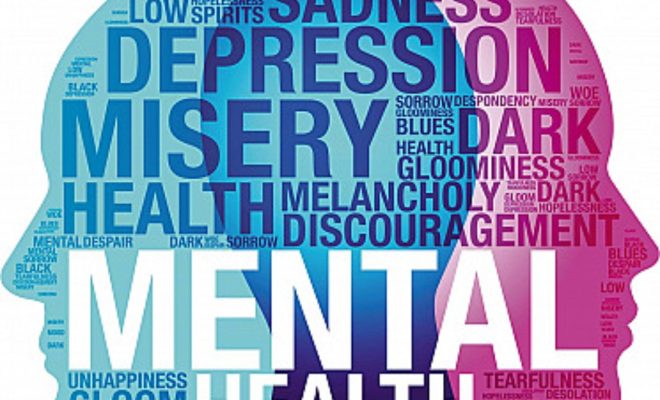
Remember, there is no health without mental health