The New Vanguard: Nigerian Designers Redefining Contemporary Craft
By Josephine Agbonkhese
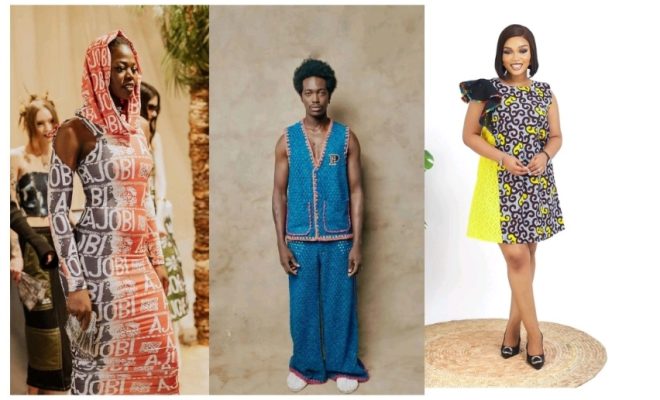
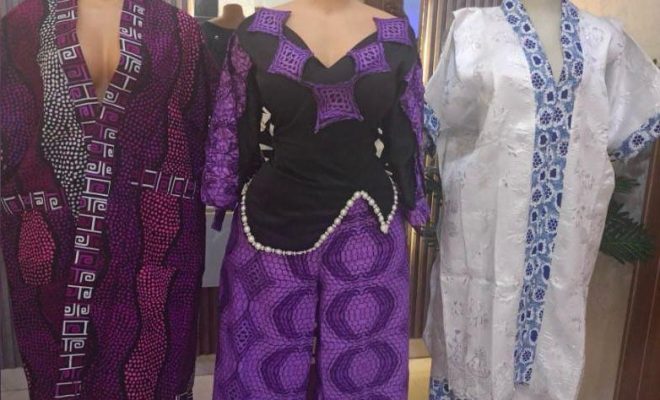
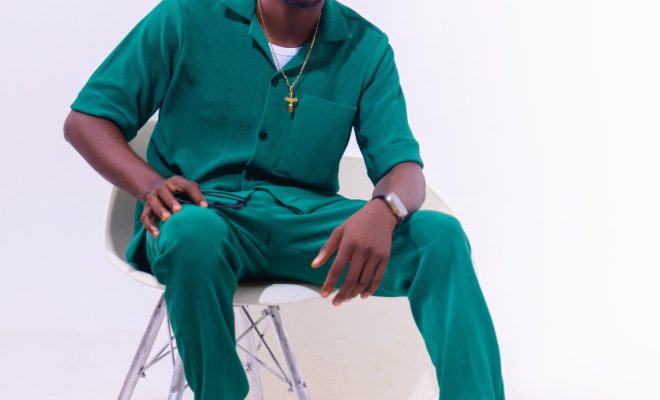
There is a quiet shift taking place within Nigerian fashion. Beyond the established houses and familiar runway names, a new generation of designers is emerging with clarity, discipline and momentum. They are not simply producing collections. They are building systems.
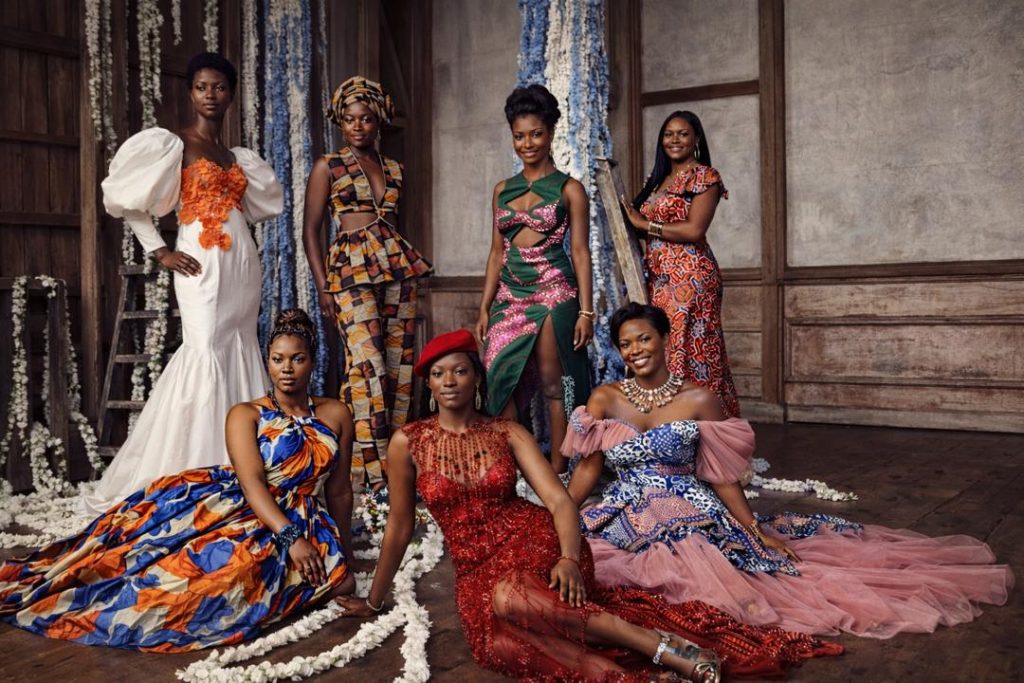
They are interrogating culture. They are placing craft at the centre of their design language.
Among them are Assian, Elfreda Dali, LOHIJE, Wuman and Ifeanyichukwu Henry Ogbui. Each brings a distinct perspective, yet they share a commitment to intention and authorship that feels unmistakably current.
Assian: Structure with Purpose
Assian operates as a size inclusive contemporary luxury label with roots in utilitarian uniform design. The brand’s approach is direct and structured. Clean lines, disciplined construction and modern tailoring define its aesthetic. What makes Assian relevant in this moment is its refusal to separate inclusivity from luxury. The garments are designed with precision but also with accessibility in mind, reflecting a broader cultural shift toward representation without sacrificing refinement.
Elfreda Dali: Concept Before Costume
Elfreda Dali belongs to a category of designers who see fashion as a research tool. A multidisciplinary artist, she draws heavily from cultural theory and conceptual art. Her early exposure to major platforms such as Africa Fashion Week London and off schedule London Fashion Week shows laid the groundwork for a practice that blends art and garment construction.
After graduating from Ravensbourne University and gaining experience with Hussein Chalayan and Wales Bonner, she launched her eponymous label in 2019. Her graduate collection debuted at Graduate Fashion Week and was selected among the top finalists in the UK. Since then, her work has continued to explore the intersection of traditional technique and sub cultural influence. Elfreda’s collections feel thoughtful rather than reactive. They challenge form, material and meaning in equal measure.
LOHIJE: Artisanal Intelligence
LOHIJE stands firmly in the space between heritage and innovation. The brand draws inspiration from African art history and approaches garment making through conscious design processes. There is a deliberate attention to materials, sourcing and the preservation of local craft.
What distinguishes LOHIJE is its clarity of mission. The garments are not merely decorative. They carry cultural narrative while remaining modern and wearable. In an industry often driven by speed, LOHIJE insists on depth.
Wuman: The Artist in Fashion
Chukwuma Ekwerike, known professionally as Wuman, began as a self taught artist before transitioning into fashion. His background in drawing, calligraphy and abstraction informs his work. Influenced by the female form, symbolism and African art, his designs read as extensions of his artistic practice.
His works have been shown at exhibitions including the Olusegun Obasanjo Presidential Library, Narwhal Contemporary Gallery in Ontario, TEDx University of Port Harcourt and the International Trade Centre in Geneva. He has also worked on commissions connected to the United Nations Ethical Fashion Initiative. Wuman approaches fashion as a canvas. The garments are expressive, textural and emotionally charged.
Ifeanyichukwu Henry Ogbui: Discipline as Direction
At Pepper Row, Ifeanyichukwu Henry Ogbui represents the steady hand of structured leadership. As Lead Design Director, he operates at the intersection of heritage craft and contemporary ready to wear. His strength lies in system thinking. Concept development, silhouette architecture, textile direction and fit supervision are not treated as isolated tasks but as interconnected parts of a disciplined process.
Under his creative guidance, Pepper Row has maintained runway presence and refined its brand coherence. Ogbui’s approach to sustainability is practical rather than performative. He works closely with artisans, preserving traditional techniques while ensuring commercial viability. His philosophy is clear. Luxury is precision. It is restraint. It is craft refined to its highest standard.
What connects these designers is not aesthetic similarity. It is mindset. They are not chasing validation through noise. They are building credibility through structure, research, and collaboration. Each understands that African fashion does not need to mimic global narratives. It has its own language, and it is being spoken with increasing confidence.
The new vanguard is not interested in spectacle for spectacle’s sake. They are interested in authorship. They are shaping a version of Nigerian fashion that is thoughtful, grounded and globally aware. And if their current momentum is any indication, this generation will not simply participate in the global conversation. They will help redefine it.